

Respiratory infections in tortoises are not uncommon and can often be linked to unsuitable environmental conditions. They can also be serious, so prompt veterinary investigation is important. This is partly due to the structure of a tortoise’s respiratory system.
Don’t be tempted to treat a suspected infection yourself at home, hoping it will clear up on its own. Your tortoise will need to see a vet. You can find a vet here.
Jump to:
- Tortoise respiratory infection symptoms
- Are tortoise respiratory infections serious?
- Types of respiratory infection in tortoises
- Causes of respiratory infections
- How is a tortoise respiratory infection diagnosed?
- How is a tortoise respiratory infection treated?
- Which tortoises are most prone to respiratory infections?
- Other causes of noisy breathing and squeaking in tortoises
- The significance of nostril size

Tortoise respiratory infection symptoms
The difficulty with respiratory infections is that your tortoise may not show any significant signs of illness at first.
Early symptoms usually include a runny nose, with clear nasal discharge coming from the nostrils.
Occasionally, small bubbles may form around the nostrils, accompanied by noisy breathing. The discharge may also quickly become thicker and yellowish.
There may also be discharge from the eyes, sometimes accompanied by swelling, although this isn’t always obvious.
At this stage, your tortoise may not show any other serious signs of illness. However, its appetite is likely to decrease, and it may become less active than usual.
An upper respiratory tract infection can spread to the lungs quite quickly, leading to pneumonia.
The symptoms will then become more noticeable as your tortoise starts to breathe with greater difficulty.
It may move its head around, appear distressed and extend its neck abnormally as it tries to clear mucus accumulating in its lungs. At this stage, it may also keep its mouth open to help it breathe.
Your tortoise’s condition can deteriorate rapidly, and it may start resting with its head on the ground. By this point, it will likely have lost its appetite and may stop moving around, remaining in one place in its enclosure.
Are tortoise respiratory infections serious?
Yes, respiratory infections in tortoises can be very serious. This is largely due to the anatomy of their respiratory system.
Chelonians (the group that includes tortoises, terrapins and turtles) do not have a diaphragm separating the chest and abdomen.
This means that mucus cannot be coughed out of the lungs in the same way as it can in mammals. Instead, it can accumulate in the lungs and seriously affect their function.
Tortoises also lack the tiny hair-like structures called cilia in their lungs. These act rather like brushes, helping to remove mucus from the airways.
If you suspect your tortoise has a respiratory infection, it’s very important to consult a specialist reptile vet without delay. Prompt treatment can greatly improve the chances of a successful recovery.
You should also isolate the infected tortoise from any other tortoises you own to help prevent the infection from spreading.
Thoroughly cleaning your tortoise’s enclosure with a reptile-safe disinfectant is also important.
Types of respiratory infection in tortoises
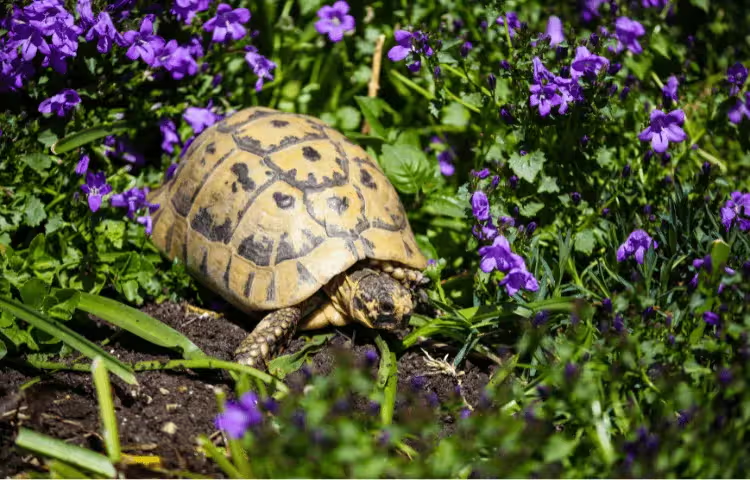
Respiratory infections in tortoises can be divided into two main types: upper and lower respiratory tract infections.
Upper respiratory tract infections usually affect the nasal passages. One of the most obvious symptoms is a runny nose, medically known as rhinitis. This is where the name Runny Nose Syndrome (RNS) comes from.
There is also a risk of a lower respiratory tract infection, which affects the lungs and can lead to pneumonia. This is often triggered by an upper respiratory tract infection and can be life-threatening.
Causes of respiratory infections
It can be difficult to determine which type of microbe is affecting a tortoise showing signs of respiratory distress. In some cases, more than one type of microbe may be involved.
Mycoplasma
Tortoises can carry potentially harmful microbes, particularly Mycoplasma bacteria, in their nasal passages. Under normal circumstances, these don’t usually cause disease because the body’s immune system keeps them under control.
However, if environmental conditions are less than ideal, symptoms may develop, and the infection can quickly become life-threatening.
Common triggers, particularly in tropical tortoises that don’t hibernate, may include:
- A drop in environmental temperature, causing the tortoise to become chilled.
- Longer-term exposure to unsuitable temperatures.
- Dietary deficiencies, particularly a lack of vitamin A.
Your tortoise’s environment is therefore very important when it comes to preventing respiratory disease.
Bedding
Hay can contain potentially harmful fungal spores that may be inhaled into the lungs. For this reason, it isn’t recommended as tortoise bedding, as the fungus may also contribute to respiratory infections.
Post-hibernation
In tortoise species that hibernate, the risk of respiratory infection is greatest after they emerge from hibernation. This is particularly important if they are suffering from mouth rot, also known as stomatitis.
The mouth, throat and nasal passages are connected, which means an infection in one area may affect the others. It’s also important to monitor your tortoise’s health after hibernation and as it returns to its normal routine.
Environmental temperatures
Later in the year, if your tortoise is left outside during a wet and chilly summer, the adverse weather conditions may trigger a respiratory infection. This is because its immune system may be more vulnerable in these conditions. Providing suitable shelter and making sure your tortoise has the right outdoor environment can help support its health.
Indoor conditions can also contribute to respiratory problems. An atmosphere that’s too dry in your tortoise’s enclosure, along with dusty bedding, may act as a trigger. It’s equally important to maintain a suitable indoor environment, with the right enclosure setup, temperature and humidity levels.
How is a tortoise respiratory infection diagnosed?
The clinical signs will often point towards a respiratory infection, but identifying the precise cause usually requires laboratory testing.
A wide range of different bacteria have been identified as potential causes of upper respiratory disease in tortoises.
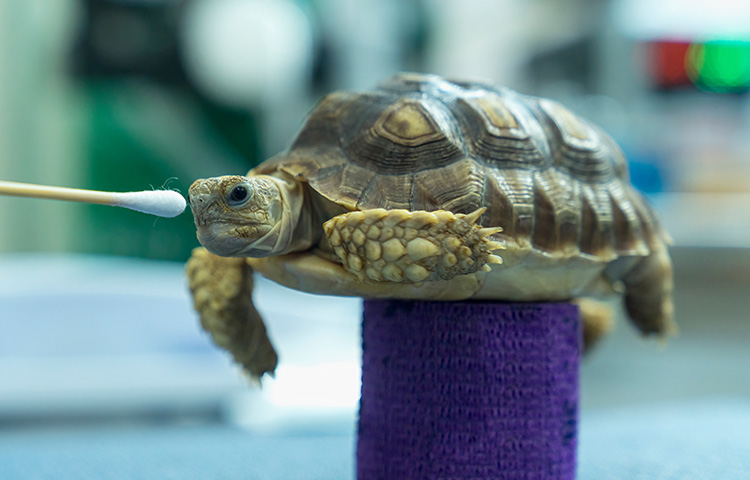
Distinguishing between these bacteria can be important when deciding on the most effective treatment. Your vet may therefore take swabs to help identify the cause.
If the underlying cause is viral, a laboratory PCR test can help identify it. However, things can be more complicated if more than one type of infectious microbe is involved, including viral, bacterial and fungal infections.
If a reptile herpesvirus is involved, symptoms may extend beyond the respiratory tract and affect the mouth as well. These additional signs can provide useful clues to help your vet make a diagnosis.
How is a tortoise respiratory infection treated?
The first step is for your vet to carry out tests to identify the precise cause of the illness. They will also assess whether there are any changes you can make to improve your tortoise’s care.
Identifying the cause of the infection makes it easier to choose the most appropriate treatment.
Antibiotics may be used for bacterial infections, while antifungal and antiviral medications are also available for certain infections.
Any prescribed treatment should be combined with recommended changes to your tortoise’s environment or care, as advised by your vet.
In some cases, slightly increasing the temperature of a sick tortoise’s environment may help support its natural defences in fighting the infection. However, always follow your vet’s advice about suitable temperatures.
Your vet may administer antibiotics by injection to help fight the infection. You may also need to give your tortoise prescribed nasal drops.
Good nursing care is important too. For example, gently wiping away nasal discharge can help prevent the nostrils from becoming blocked. Blocked nostrils may make your tortoise less likely to eat, potentially delaying its recovery.
How long will it take to recover?
You should start to notice a gradual improvement in your tortoise’s condition within a few days. In some cases, your tortoise may be back to normal within a couple of weeks, although the longer-term outlook can be less certain.
There is no guarantee that treatment will completely eliminate the bacteria responsible for the infection.
There are two main concerns: the infection may return in the future, and your tortoise may still pose a risk of infection to other tortoises it comes into contact with.
Follow-up screening may help provide a better indication of whether the infection has cleared, although this cannot be guaranteed.
Which tortoises are most prone to respiratory infections?
Some tortoise species are considered more prone to respiratory infections than others.
The following species are highlighted as being at greater risk:
- Leopard tortoise (Stigmochelys pardalis)
- Mediterranean spur-thighed tortoise (Testudo graeca)
- Hermann’s tortoise (Testudo hermanni)
- American gopher tortoise (Gopherus species)
Other causes of noisy breathing and squeaking in tortoises
Noisy breathing isn’t always caused by an infection. It can also result from an obstruction affecting the upper respiratory tract.
This can sometimes happen when mucus accumulates in the nasal passages during hibernation.
When your tortoise wakes from hibernation, pick it up and take a close look at its nostrils, as they may have become partially blocked.
The original guidance suggests placing your tortoise in a shallow bath of warm water to help rehydrate it after its winter sleep. However, seek veterinary advice if you notice persistent blockage or breathing difficulties.
Tortoises may also flush their nasal passages at this stage, pushing water out through their nostrils to clear minor obstructions. This may help reduce the likelihood of a respiratory infection developing.
Noisy breathing can also be linked to food becoming lodged around the nostrils.
This is particularly common in tortoises such as the red-footed tortoise (Chelonoidis carbonarius), which includes fruit in its diet. Small pieces of soft fruit can become stuck over the nostrils and may dry out.
The same problem can occur when tortoises eat moist pellets.
Occasionally, foreign material entering the nasal cavity can also cause an obstruction, although this is less common.
Fine grains of sand can have this effect. This is one reason why reptile sand shouldn’t be used as tortoise bedding, as it can enter the nasal passages, causing irritation and discharge. This may then contribute to an infection.
The significance of nostril size
Always take a close look at the nostrils of any tortoise you’re thinking of acquiring, as they can provide useful clues about its health.
In older tortoises, if one nostril is significantly larger than the other, or both appear unusually enlarged, this may be a sign of a long-standing nasal infection.
And finally…
Try to spend a few moments each day observing your tortoise and listening for any unusual breathing noises. These may sound like a high-pitched whistle or even a squeak.
Getting to know your tortoise and understanding its usual habits and behaviour will help you recognise when something changes. This can make it easier to spot potential health problems early and seek veterinary advice.