
Small Animal Insurance
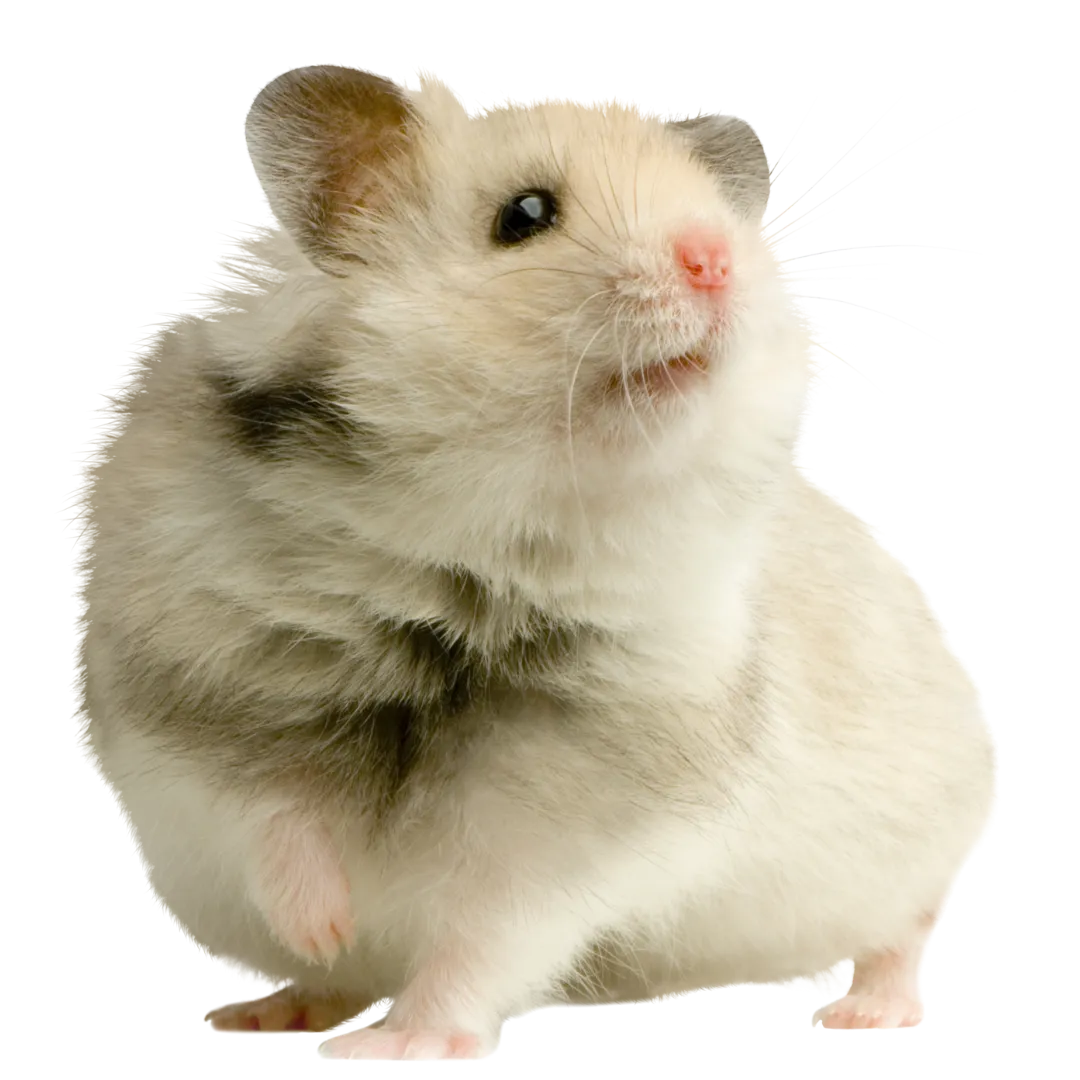
Small animals like rabbits, guinea pigs, hamsters, and chinchillas are popular first pets, especially for kids, thanks to their size and sweet nature. But while they may not cost much to buy, small animal insurance is something many new owners overlook – and vet care for these tiny creatures can be far more expensive than you’d expect.
Taking care of your small pet goes beyond providing the right food and environment. You also need to be prepared for any health issues that might crop up along the way.
Do you need insurance for small pets?
They may be small, but these little animals quickly become beloved members of the family. Classed as exotic pets, they often require specialist care if something goes wrong – and that specialist care doesn’t come cheap. Without the safety net of pet insurance, it can be incredibly difficult to make the right care decisions when their health takes a turn.
How much is pet insurance for small mammals?
The cost of small mammal insurance really depends on the type of pet you’ve got and the level of cover you choose.
- Essential cover for a guinea pig starts from £14.02 a month or £168.24 a year.*
- Premier cover for two guinea pigs starts from £27.36 a month or £328.32 a year.*
Premier cover is available for two or more pets.
Choose small mammal insurance
Vet fees
Death from injury or illness
Loss from theft, fire or weather perils
Pet housing and enclosure cover
Up to £2,000
Shared between all pets on your policy
–
–
Optional extra
Up to £5,000
Up to £2,000
For each pet on your policy
–
–
Optional extra
Up to £5,000
Our small animal insurance policies include:
- Guinea pig insurance
- Rabbit insurance
- Hamster insurance
- Gerbil insurance
- Chinchilla pet insurance
- Mice and rat insurance
- Ferret insurance
- Chipmunk insurance
- Degu insurance
At what age can I insure my pet?
This varies dependent on pet type. For the most part, we insure small animals from 8 weeks and upwards but for more information on your specific pet type, read our policy documents.
Can you insure pets that have recently been unwell?
We can’t cover your small pet if they’ve been to the vet for an accident or illness in the last 3 months. But don’t worry – once they’ve been treatment-free for 3 months and are fit and healthy, we can insure them. Pre-existing conditions won’t be covered in the first year, but after that, we’ll review them based on the policy terms.
As always, cover is subject to our policy terms and conditions.
Why choose ExoticDirect?
- Specialist exotic pet insurance providers since 1996
- We can pay your vet bills direct to your vet
- Insure up to three pets of the same species on one policy
Caring for your small mammal
Small mammal care depends on the type of pet you own, and there can be different considerations depending on the breed.
Other things to consider include diet and ensuring your small mammal gets variety using the right type of food. Our guinea pig diet guide is designed to help guinea pig owners. Alongside this, housing setup will be another key consideration with pets such as guinea pigs having a variety of bedding options available such as fleece, paper bedding or wood shavings.
Furthermore, some small mammals require additional exercise options outside of their cage. Ensuring you have a safe and secure space where your small mammal can get further exercise ideally at least once per day outside of their hutch or cage is incredibly important.
Small mammal care however involves far more than this. Caring for their health is incredibly important too. Conditions to watch out for include GI stasis (the slowing of passage of food through the GI tract) which can affect a large number of small mammals such as rabbits, guinea pigs and chinchillas.
Signs of illness in small mammals are varied from a sluggish appearance, abnormal breathing, diarrhoea and discharge coming from the eyes or nose. Any sign of illness should not be ignored and you should consult a vet as soon as you can to ensure your small mammal gets the care they require.
*Prices are correct as of September 2026.