
Degus are fascinating, social pets that bring energy and charm to any home. Like all animals, however, they are vulnerable to health issues. Understanding common degu illnesses, recognising the early signs of sickness, and knowing how to respond can make a real difference to your pet’s wellbeing.
If you’ve ever wondered, “How can I tell if my degu is sick?” this guide explains the most common degu health concerns, what symptoms to look out for, and how to help keep your degu healthy.
Jump to:
- How do you know if a degu is ill?
- Common degu health concerns
- How to keep your degu healthy
- Why degu insurance is worth considering
- Keeping your degu healthy and protected
How do you know if a degu is ill?
As prey animals, degus naturally hide signs of weakness or illness. In the wild, showing signs of sickness could make them an easy target for predators, so they often mask symptoms until they’re quite unwell.
Because of this, it’s important to get to know your degu’s normal behaviour so you can quickly notice when something changes.
Key signs to watch for include:
- Changes in eating or drinking habits: Reduced appetite, refusing food, or drinking more than usual.
- Physical symptoms: Drooling, facial swelling, an untidy coat, or teeth discoloration (healthy degu teeth are yellow-orange).
- Behavioural changes: Lethargy, hiding more frequently, becoming less social, or showing signs of aggression.
- Stool changes: Smaller droppings, fewer droppings, or diarrhoea.
- Other symptoms: Excessive scratching, trembling, limping or difficulty moving.
If your degu shows any of these symptoms, particularly more than one at the same time, contact a veterinarian who has experience treating exotic pets as soon as possible.
Common degu health concerns
Degus are prone to specific health conditions, many of which can be managed with proper care and timely intervention. Below are the most prevalent illnesses, their symptoms, and potential treatments.
1. Diabetes
Degus have a genetic prone to diabetes, as they cannot process sugar or carbohydrates effectively.
Symptoms:
- Cloudy eyes (cataracts).
- Excessive drinking and urinating.
- Sudden weight gain or loss.
Management:
Although diabetes cannot be cured, it can often be controlled through diet. Feed plenty of hay, forage, and high-quality pellets while avoiding sugary treats and foods high in carbohydrates. While cataracts caused by diabetes are usually permanent, you can make simple adjustments to your degu’s enclosure to help them adapt if their vision declines.
2. Dental disease
Degus, like other rodents, have teeth that grow continuously throughout its life. Without enough fibre or suitable chewing materials, the teeth can become overgrown and cause significant health problems.
Symptoms:
- Drooling and wetness around the mouth.
- Teeth discoloration (white teeth indicate poor health).
- Difficulty chewing or selective eating.
- Facial swelling, abscesses, or abnormal tooth angles.
Treatment:
Dental disease is a chronic condition requiring regular veterinary care to trim or reshape overgrown teeth. Prevent issues by providing a fibre-rich diet and plenty of safe chew toys to help naturally wear down their teeth.
3. Penile prolapse (in males)
This condition occurs when a male degu’s penis is unable to retract into the sheath, often due to fur rings, infection, or trauma.
Symptoms:
- Redness or swelling of the genitals.
- Excessive grooming of the affected area.
Treatment:
This condition requires immediate veterinary attention. Treatment may involve cleaning the area, removing fur rings, and prescribing medications like anti-inflammatories or antibiotics. In severe cases, surgery may be required. To prevent recurrence, maintain cage hygiene and temporarily avoid sand baths during recovery.
4. Tail degloving
Tail degloving is a common injury in degus where the skin is pulled away from the tail. It is usually caused by improper handling or when the tail becomes trapped in cage bars or toys. This is a natural defence mechanism but can lead to complications.
Causes:
- Rough handling.
- Tail getting caught in cage equipment.
Symptoms:
- Exposed tail bone.
- Bleeding.
Treatment:
The exposed portion of the tail will dry out and fall off naturally, but infection is a major risk. Keep the cage clean and consult an exotic vet to manage pain or infection. Avoid sand baths until the wound is fully healed.
How to keep your degu healthy
While not all illnesses are preventable, good husbandry practices can significantly reduce health risks. Follow these tips to keep your degu thriving:
1. Provide a balanced diet
Feed your degu a high-quality diet of hay, pellets and appropriate forage with minimal treats. Avoid sugary or starchy foods, which can trigger diabetes or other health issues.
2. Maintain a clean, safe enclosure
Choose a spacious, well-ventilated enclosure with metal bars that your degu cannot chew through. Clean the habitat regularly and check that the spacing between bars is safe to prevent injuries.
3. Encourage chewing and exercise
Offer plenty of safe chew toys, branches, and fibrous foods to help keep teeth healthy. Degus also benefit from an exercise wheel that is at least 13 inches in diameter. Avoid wire wheels, as these can injure their feet and tails.
4. Schedule regular vet visits
Degus are exotic pets, so it’s vital to find a veterinarian experienced with small animals. Routine health check can help catch health problems early before they become serious.
5. Monitor your degu everyday
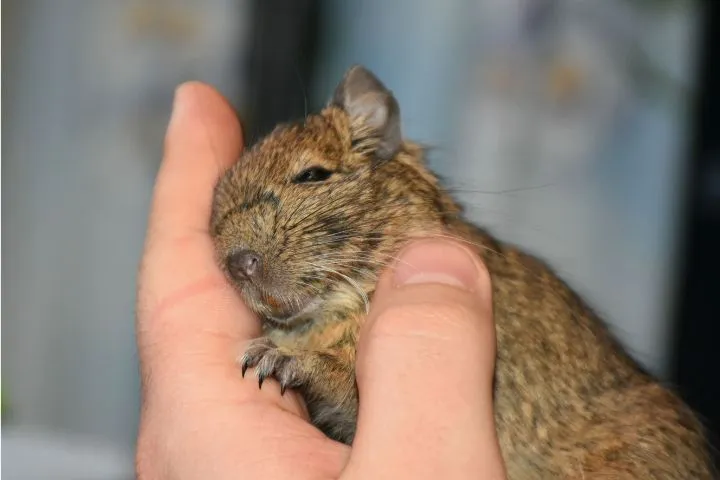
Watching your degu’s eating habits, behaviour, activity levels, and appearance each day makes it easier to notice subtle signs of illness. Early detection is key to effective treatment.
Why degu insurance is worth considering
Degus are exotic pets, and their veterinary care can be more expensive than that of common pets like cats or dogs. Degu pet insurance can help cover the cost of consultations, surgery, medication, and ongoing treatment for chronic conditions such as diabetes or dental disease. Insurance ensures you can make decisions based on what’s best for your pet, not just what’s affordable.
Keeping your degu healthy and protected
Owning a degu is a rewarding experience, but their health requires attention and care. By understanding the signs of illness and adopting proactive care practices, you can help your degu live a long, happy life.
If your degu shows sudden illness or unusual behaviour, don’t hesitate to contact an exotic animal vet immediately. And remember, investing in pet insurance can provide peace of mind and ensure your furry companion receives the best care possible.
With the right care, your degu will bring joy and companionship for years to come.