
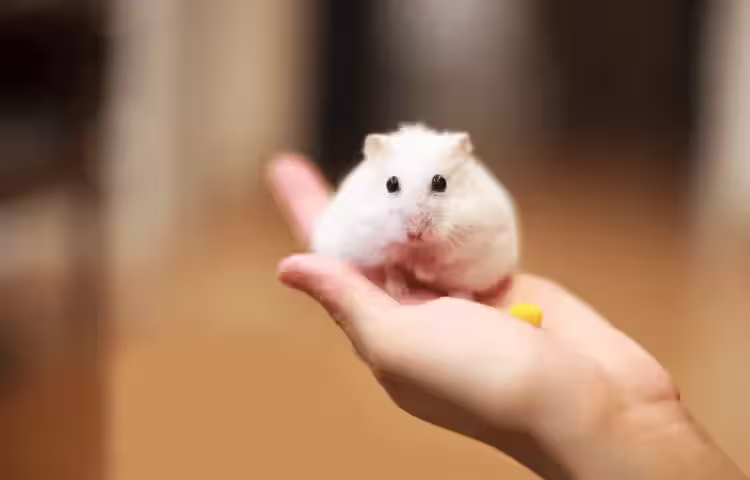
For many of us, a hamster was our first introduction to the world of special pets. However, hamster care has evolved significantly over the years. What we once thought were standard essentials are now known to cause stress or even injury to these sensitive little explorers.
We’ve teamed up with Lucy Marston, the expert behind CoralandBee, to bring you this updated guide on providing the very best life for your hamster. Whether you’re a new owner or a seasoned enthusiast, these modern care standards will help your tiny companion thrive.
Understanding the stress signals
Hamsters are incredibly active and intelligent. When their environment doesn’t meet their needs, they often display stress behaviours. If you notice the following, it might be time for an enclosure upgrade:
- Monkey Barring: Climbing the bars of the cage which can lead to dangerous falls.
- Bar Biting: Repetitively gnawing on metal bars which can damage teeth.
- Pacing: Running back and forth in a repetitive loop.
These actions are often a cry for help, suggesting that the enclosure is too small, lacks enrichment, or doesn’t allow for natural behaviours like burrowing.
Space to roam in a modern enclosure
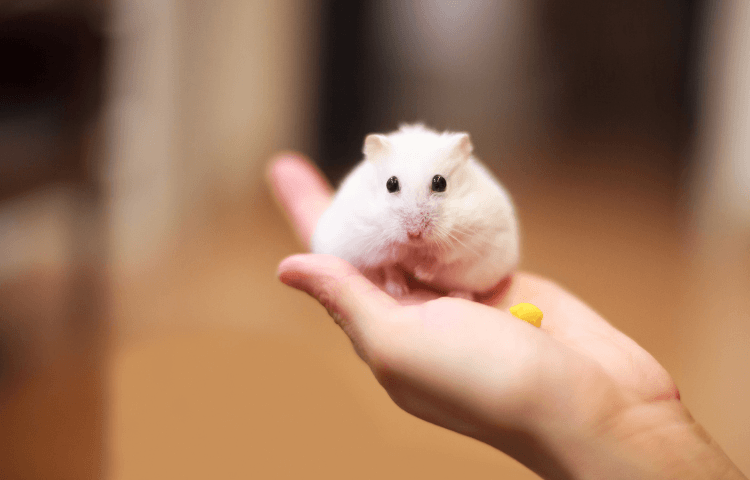
Gone are the days of small, brightly coloured plastic cages. To keep a hamster healthy, we recommend a setup that prioritises floor space and depth:
- Size Matters: Aim for a minimum enclosure size of 100 x 50 x 50 cm. Remember, levels do not count towards floor space!
- Deep Bedding: Hamsters are natural burrowers. They need a minimum of 20–25 cm of deep bedding (like paper-based substrate or aspen) to create stable tunnels and nests.
- Safety First: Avoid small modular cages with narrow tubes. These lack ventilation and are often too cramped for a correctly sized wheel.
Choosing the right accessories
Not all products sold in pet shops are suitable for hamsters. Lucy at CoralandBee highlights a few common items to avoid:
- The Hamster Ball: These cause stress and disorientation. They also prevent the hamster from using its whiskers and scent to navigate, and their little feet can get caught in the air slits.
- Flying Saucers: These cause a hamster’s back to curve sideways. Instead, opt for a proper upright wheel.
o Dwarf Hamsters: Need at least a 20–25 cm (8-10 inch) wheel.
o Syrian Hamsters: Need a 28–30 cm (11-12 inch) wheel to keep their spine perfectly straight. - Wood Shavings: Avoid pine or cedar, as they can be dusty and contain oils that irritate a hamster’s respiratory system.
Enrichment and diet
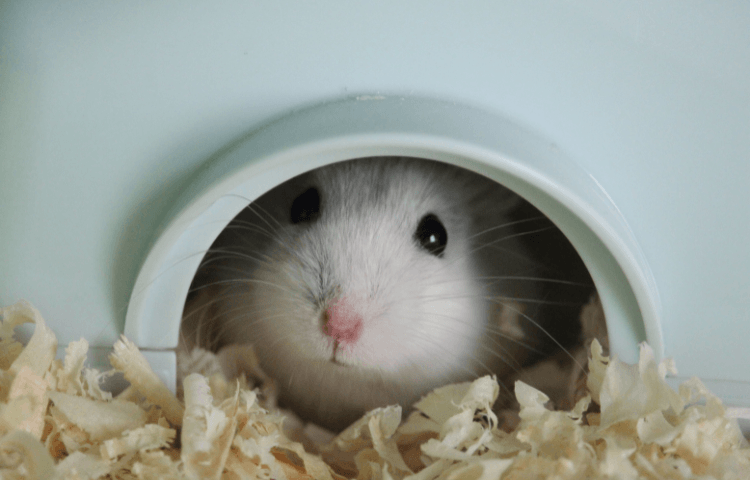
To keep your pet mentally stimulated, try natural enrichment. Use sprays (like millet, flax, or wheat), cork logs, and multi-chamber hides to mimic their natural habitat.
Scatter feeding is a brilliant way to keep them busy. Instead of a bowl, scatter a high-quality seed mix around the enclosure to encourage their natural foraging instincts.
Protecting your smallest family members
Because hamsters are so small and instinctively hide illness to avoid predators, a sudden trip to the vet can be daunting. As Lucy advocates for better welfare through her work at CoralandBee, we at ExoticDirect advocate for the peace of mind that comes with being prepared.
Hamster insurance ensures that if your little one ever shows signs of being unwell, you can get them to a specialist vet immediately. With the cost of specialized care rising, knowing you only have to cover the excess can be a godsend for owners on a budget.
Our claims process is designed to be quick and easy, because we know that when a tiny pet is poorly, every moment counts.
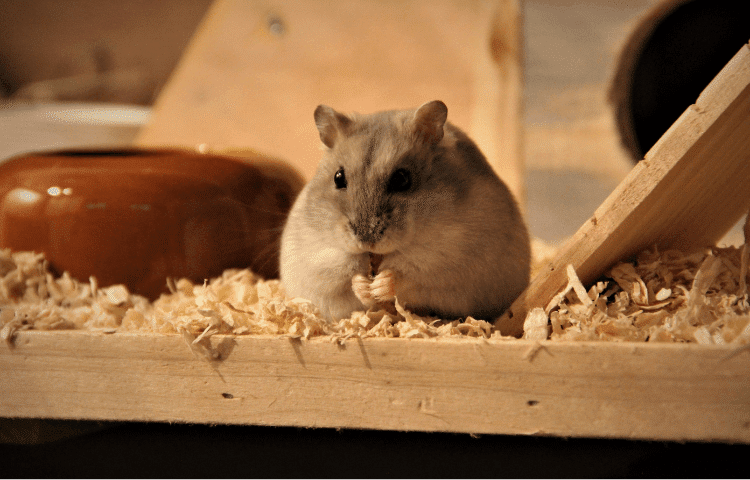
Is your hamster’s home ready for an upgrade?
Lucy Marston: “Always look for brands that support natural behaviours. Proper bedding depth and spacious enclosures aren’t just luxuries, they are essentials for a hamster’s physical and mental wellbeing.”
To round off our guide, we’ve put together a list of the UK-based brands that Lucy and the modern hamster community recommend. These companies specialise in products that meet the high welfare standards we’ve discussed prioritising space, safety, and natural enrichment.
1. Bandaby (Enclosures)
If you are looking for a forever home that exceeds the minimum welfare standards, Bandaby is a top choice. Their enclosures are designed to be barless, which prevents the monkey barring and bar-biting mentioned earlier.
2. Mr Mango Makes (Accessories & Enrichment)
For the interior of your hamster’s home, Mr Mango Makes offers beautifully crafted, 3D printed items made from pet-safe PLA. They specialise in multi-chamber hides, which mimic the natural underground burrows hamsters create in the wild.
3. Burrow & Bloom (Nutrition & Foraging)
Burrow & Bloom is a fantastic UK-based shop that focuses on the two most important aspects of hamster care: diet and natural habitat mimicry. They are a “one-stop-shop” for owners looking to move away from commercial pet shop mixes toward a more species-appropriate lifestyle.
Final thoughts
Investing in high-quality products from specialist brands often leads to a happier, less stressed pet, which can even mean fewer trips to the vet in the long run. However, life with exotic pets is unpredictable.
By combining the expert care advice from Lucy with the protection of an ExoticDirect policy, you’re ensuring that your tiny friend has the very best support system in the UK. Get a quote for your furry friend quickly and easily today.