
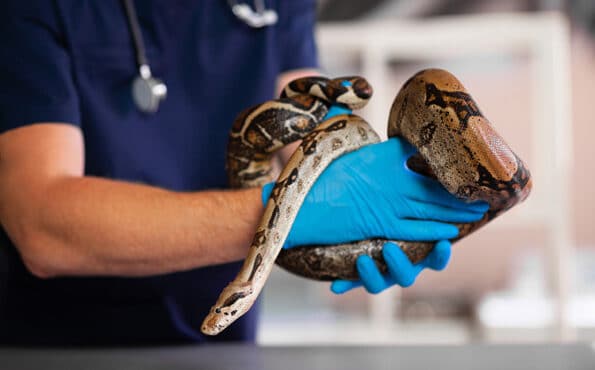
Your parrot isn’t just a bird, and your snake isn’t just a reptile. They’re unique companions with special needs. While general vets provide great care, exotic pets often do best with someone trained in their specific biology, diet, and environment.
Choosing the right vet isn’t just about routine check-ups; it’s about keeping your exotic companion healthy and thriving for years to come.
Jump to:
- Why exotic pets need a specialist vet
- The benefits of choosing an exotic vet
- When specialist care matters
- Signs you might need an exotic pet specialist
- Questions to ask when choosing a vet
Why exotic pets need a specialist vet
Exotic pets have unique anatomies and behaviours that often differ significantly from those of cats and dogs. General vets are highly skilled professionals who provide excellent care for many animals, but exotic pet specialists dedicate their careers to understanding the intricate needs of these less common species.
Specialist vets, such as avian or reptile experts, undergo extra training and gain hands-on experience with species-specific care. This knowledge allows them to:
- Recognise subtle signs of illness that may go unnoticed by others.
- Address complex dietary and environmental requirements.
- Provide advanced treatments tailored to exotic species.
For example, an avian vet understands the delicate respiratory systems of birds, while a reptile vet knows the precise temperature and humidity needs of lizards. While general vets can often provide initial care and guidance, the focused knowledge of a specialist means that exotic pets receive the best possible care, from early diagnosis to effective treatment.
The benefits of choosing an exotic vet
Exotic pet specialists complement the excellent work of general vets by providing care tailored to the unique needs of exotic pets, and it’s important to register with a team that truly understands these species. If your little companion ever falls ill, having prompt access to experienced exotic vets can make all the difference to their health and wellbeing.
As exotic veterinary professional Matthew Rendle CertAVN RVN reminds exotic pet owners:
“Locating and registering with a veterinary team experienced in the care of exotic pets is crucial. If your exotic pet falls ill, any delay can negatively impact their health and welfare. Additionally, having your exotic pet insured allows the specialist veterinary team to perform all required diagnostics and procedures promptly, ensuring optimal care for your pet.”
Here’s how exotic vets stand out:
Specialised training and experience
Exotic vets undergo more training to master the nuances of species-specific medicine, from finding subtle symptoms to understanding complex husbandry needs.
Advanced diagnostic tools
Specialist clinics often feature equipment like bird-specific X-rays, reptile anaesthesia machines, and endoscopy tools, enabling precise diagnoses and safer treatments.
Skilled veterinary team
It’s not only the veterinarian who makes a difference. These clinics are often supported by experienced veterinary nurses who are trained in handling and caring for exotic species. Their knowledge, accurate observations, and gentle handling techniques play a crucial role in reducing stress, improving diagnostic accuracy, and supporting better treatment outcomes.
Stress-free handling
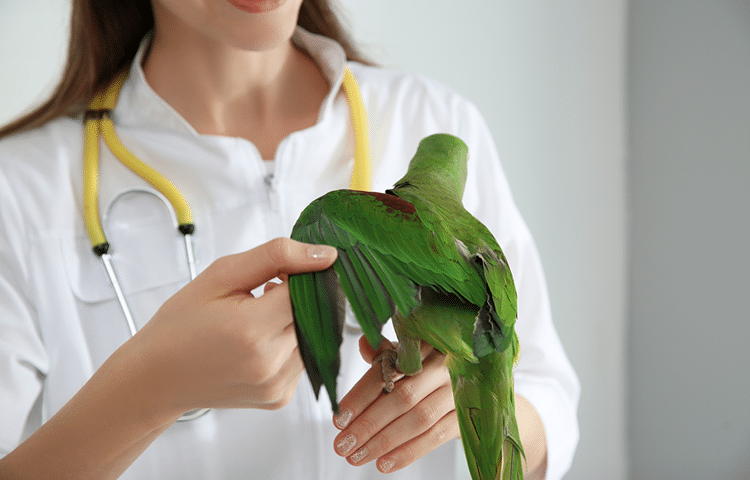
Exotic vets are trained in species-specific handling techniques, ensuring minimal stress during exams. For instance, an avian vet knows how to safely restrain a bird, while a reptile vet can handle snakes or lizards with care.
Access to advanced treatments
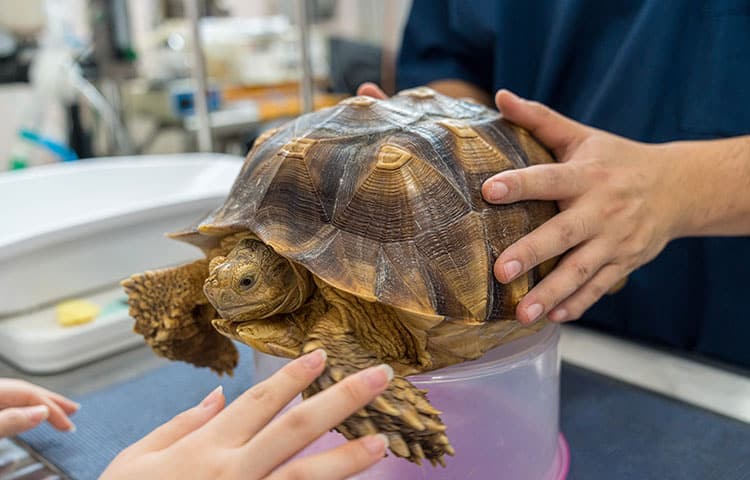
Procedures like tortoise shell repair, avian endoscopy, or reptile dental surgery often require the expertise and facilities of a specialist. General vets may refer complex cases to specialists to ensure the best outcomes for the pet.

When specialist care matters
Imagine a parrot showing early signs of liver disease. A general vet might provide excellent first care but could miss the subtle indicators of this condition due to its rarity in their practice.
An avian vet, however, would likely recognise the symptoms at once and implement a targeted treatment plan, improving the parrot’s prognosis and reducing stress for both pet and owner.
Specialist care doesn’t replace the valuable role of general vets – it builds on their work by providing focused expertise when it’s needed most.
Signs you might need an exotic pet specialist
Consider seeking a specialist if:
- Your pet has a species-specific illness or condition.
- Symptoms are subtle, unusual, or unresolved after a general vet visit.
- Advanced procedures like surgery or endoscopy are needed.
- You want preventive care tailored to your pet’s species.
Specialists, including avian vets, reptile vets, and tortoise vets, provide comprehensive care that covers nutrition, enrichment, and preventive medicine for their specific species.
Questions to ask when choosing a vet
To ensure your exotic pet receives the best care, ask any potential exotic vets:
- Do you have experience with my pet’s species?
- Are you trained or certified in exotic pet medicine?
- What diagnostic tools and treatments do you offer for exotic animals?
- How do you minimise stress during exams and procedures?
- Can you provide guidance on diet and preventive care specific to my pet?
These questions will help you find a vet who can meet your pet’s unique needs.
Find an exotic vet
Exotic pets are extraordinary companions, and they deserve veterinary care that meets their unique needs.
An exotic pet vet offers the advanced knowledge and tools necessary to ensure the best outcomes. By choosing a specialist, you can ensure your pet receives tailored care that supports their health and happiness for years to come.
Ready to find a trusted exotic pet vet? Visit the RCVS website to find an exotic vet who can give the specialised care your exotic companion deserves.