
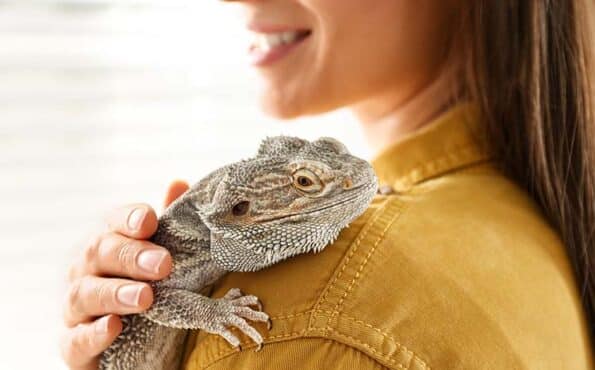
Owning an exotic pet is a unique experience. From watching a tortoise explore their enclosure to caring for a parrot, reptile or small mammal, exotic pets bring plenty of personality and joy into our homes.
But responsible exotic pet ownership also means thinking ahead, especially when it comes to unexpected vet bills.
One of the biggest decisions exotic pet owners face is how to plan for veterinary costs. Some owners choose pet insurance, while others decide to put money aside themselves in a savings account.
Self-insuring can feel like a straightforward option. If your pet stays healthy, the money remains available for other needs. But exotic pet healthcare can be unpredictable, and having a savings pot alone may not always provide the protection you expect.
So, how do you decide whether exotic pet insurance or saving money is the right option?
The reality of exotic pet vet bills
Many exotic animals are naturally very good at hiding signs of illness. In the wild, showing weakness can make them an easy target for predators, so pets such as reptiles, birds and small mammals may continue behaving normally even when something is wrong.
This means that by the time you notice a problem, veterinary treatment may be needed quickly.
Depending on the problem, a visit to a vet could include:
- Consultations with a specialist exotic vet
- Diagnostic tests
- Medication
- Surgery
- Ongoing treatment or monitoring
These costs can vary depending on the condition and the care required. While some issues may be affordable to manage, others can become expensive very quickly.
Having a plan in place before something happens can make a big difference.
Why many owners choose to self-insure
Saving money for future vet bills is a popular choice among pet owners, and it is easy to see why.
You have control over the money, you can decide how much to save, and if your pet never needs expensive treatment, the funds can stay available for other purposes.
For routine expenses, savings are often extremely useful. They can help cover things like:
- Food and supplements
- Bedding and habitat improvements
- New equipment
- Routine care
The challenge is that savings take time to build.
If your pet suddenly becomes ill a few months after you bring them home, you may not have saved enough to cover a large, unexpected vet bill.
When savings may not be enough
Imagine you have been putting money aside each month for your exotic pet. Then your pet unexpectedly becomes unwell, and the treatment costs far more than you’ve managed to save.
You now face a difficult decision: pay for treatment immediately, find another way to cover the cost, or delay care while trying to build up funds.
This is where exotic pet insurance can help.
Pet insurance can help with eligible vet bills, so you can focus on getting your pet the care they need instead of worrying about your savings.
Exotic pets often need specialist knowledge
Unlike more common pets, exotic animals may require veterinary professionals with specific training and experience.
A reptile, bird or small mammal may need different handling, tests or treatments compared with a cat or dog. Specialist care is incredibly valuable, but it can also mean higher costs.
Insurance designed specifically for exotic pets recognises these differences.
Veterinary care can be expensive, particularly when it comes to emergencies or managing chronic health conditions. Here’s a breakdown of some typical costs for treatment in the UK:
- Surgery for something your pet swallowed: £4,250 1
- Treating a broken leg: £3,000–£6,000 1
- Cancer treatments: £800 – £7,000 2
- Chronic care medication e.g. Diabetes: £70–£140 a month 3
One big emergency could wipe out your savings in an instant.
At ExoticDirect, we provide insurance designed around the needs of exotic pet owners, helping protect a variety of animals including reptiles, birds and small mammals.
Insurance and savings can work together
Choosing exotic pet insurance does not mean you should stop saving money.
In fact, many owners use both.
A savings fund can be ideal for everyday care, while insurance can provide extra protection for larger, unexpected veterinary bills that would be much harder to budget for.
Think of it like preparing your pet’s habitat. You would not rely on one thing alone to keep your pet healthy, you provide the right environment, nutrition, enrichment and care.
Planning for vet costs works in much the same way.

The value of being prepared
No pet owner wants to think about their animal becoming ill or needing emergency treatment.
But being prepared can make stressful situations much easier to manage.
Instead of worrying about how you’ll pay for treatment, you can focus on getting your pet the care they need.
For many exotic pet owners, that’s one of the biggest benefits of exotic pet insurance.
What to consider when choosing cover
Every exotic pet is different, so it is important to choose insurance that suits your animal’s needs.
Here’s how saving compares to having pet insurance:
| Saving money | Exotic pet insurance | |
| Financial predictability | Savings depend on how much you contribute and can be wiped out by one big bill. | Monthly premiums make budgeting simple and predictable. |
| Emergency cover | Limited to how much you’ve saved, which may not be enough. | Covers expensive emergencies, often with generous annual limits. |
| Time to build funds | Limited to how much you’ve saved, which may not be enough. | Covers expensive emergencies, often with generous annual limits. |
| Emotional stress | Stressful if savings can’t cover necessary treatment. | Reduces stress by ensuring help is available when you need it. |
| Rising vet costs | Savings may not keep up with increasing costs of care. | Insurance policies adjust to reflect current veterinary costs. |
| Overall value | Cheaper if your pet stays healthy, but risky for emergencies. | Cost-effective for unexpected illnesses, accidents, or chronic issues. |

Does exotic pet insurance save you money?
Exotic pet insurance might feel like an extra expense at first, but it can actually save you money in the long run. Those monthly payments cover unexpected vet bills that could otherwise hit your wallet hard. Plus, they give you peace of mind for those costly emergencies, like:
- Cruciate ligament repair: £3,600 1
- Foreign object removal: £4,250 1
- Fractured bone surgery: £3,000–£6,000 1
If you’re paying £30 a month for exotic pet insurance, it might seem like a lot, but think about it this way: it would take over 11 years of saving to cover just one £4,000 surgery. Now, imagine a sudden injury or illness popping up. Without insurance, you’d be scrambling to figure out how to pay for your pet’s care, and that’s the kind of stress no one needs.
Pet insurance makes life easier by turning those unpredictable vet bills into manageable monthly payments. It gives you peace of mind instead of worrying about “what if” moments.
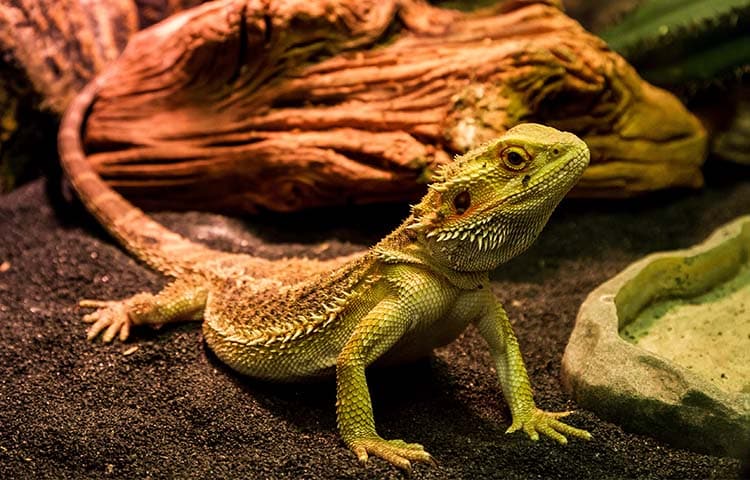
Protecting the pets that depend on you
Exotic pets rely on their owners for everything, from their diet and environment to their healthcare.
Preparing for future veterinary costs is part of being a responsible owner.
While saving money can be helpful, exotic pet insurance gives you an extra layer of protection if your pet needs unexpected veterinary treatment.
Your pet may be small, but the care they need can make a big difference.
With the right exotic pet insurance, you can enjoy your time together knowing you have taken steps to help protect their future.
1 Frank Pet Surgeons. 2 The Royal (Dick) School of Veterinary Studies. 3 Vet Help Direct. Example prices are correct at the time of publishing.